
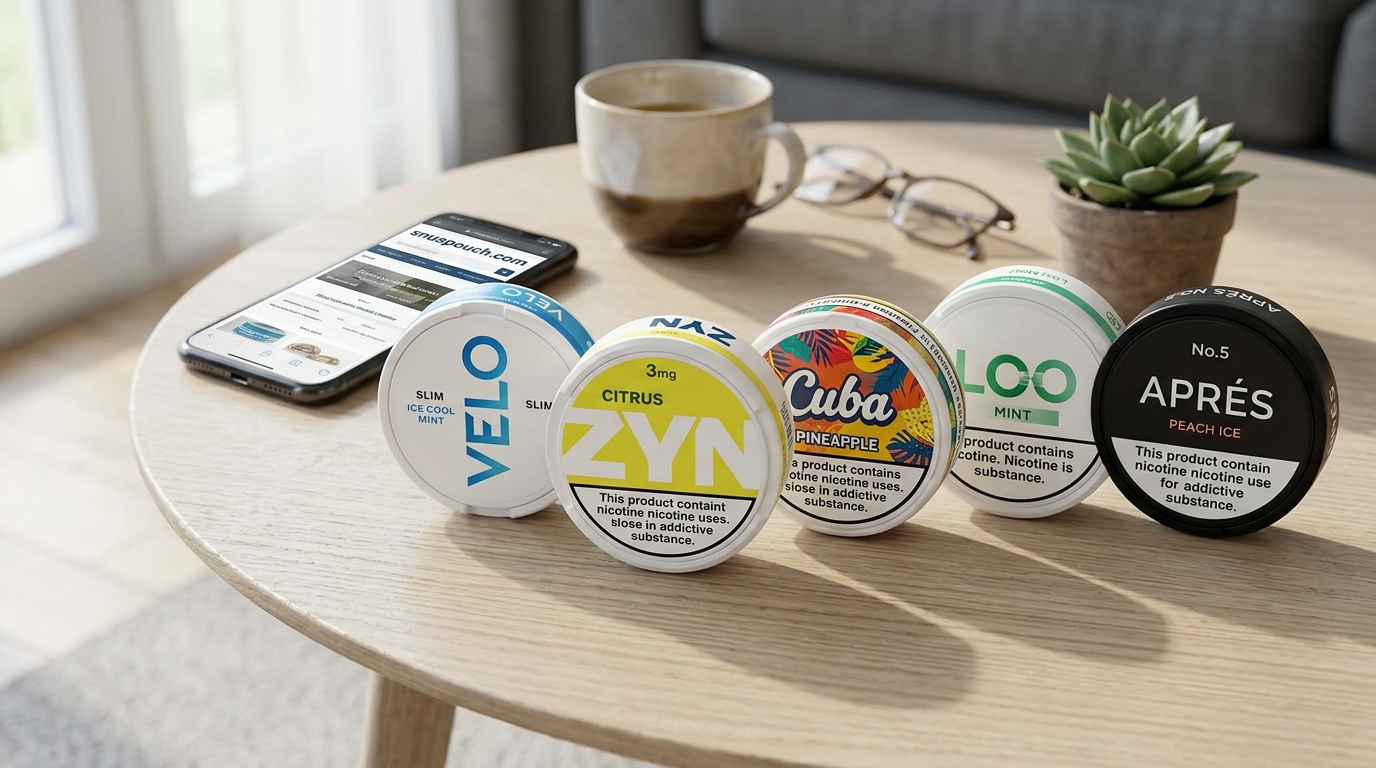
Nicotine pouches have transformed the European smokeless nicotine market at a remarkable pace. What started as a niche Scandinavian alternative to traditional snus has blossomed into a multi-billion-euro industry driven, in large part, by an ever-expanding universe of flavors. From the crisp bite of classic mint to tropical mango blends and aromatic coffee varieties, the flavor landscape of nicotine pouches in Europe is richer — and more complex — than ever before.
This article dives deep into the evolution of nicotine pouch flavors across Europe: where it all began, what's driving innovation today, and which flavor trends are shaping the market in 2026 and beyond.
1. The Scandinavian Origins: Where Flavor Began
The story of nicotine pouch flavors in Europe begins in Sweden. Swedish snus — a moist tobacco product placed under the upper lip — has been part of Nordic culture for centuries. By the early 2000s, manufacturers began experimenting with tobacco-free versions of these pouches, initially targeting health-conscious snus users who still craved nicotine without the tobacco leaf.
Early nicotine pouches were intentionally understated in flavor. The dominant profiles mirrored what traditional snus users were familiar with:
• Mint and spearmint (the most dominant early flavor)
• Tobacco-inspired profiles (earthy, woody undertones without actual tobacco)
• Bergamot and citrus (reflecting the Swedish General snus heritage)
• Licorice and menthol blends (particularly popular in Scandinavia)
Brands like Zyn (by Swedish Match), Velo (by British American Tobacco), and Lyft (now rebranded as Velo) led the early Swedish market with clean, simple flavor profiles. The idea was to replicate the snus experience — not to reinvent it.
2. The Pan-European Expansion (2015–2020): Flavors Go Mainstream
As nicotine pouches spread beyond Scandinavia into markets like Germany, the UK, Austria, Switzerland, and Eastern Europe, brand strategists quickly recognized that the flavor playbook needed to expand dramatically.
The UK market, in particular, proved to be a powerful catalyst. British consumers showed appetite for bolder, more adventurous flavors. The craft beverage and artisan food movements had cultivated a culturally sophisticated palate — and nicotine pouch brands noticed.
Key Flavors That Drove Mainstream Adoption
• Citrus & Lemon: Fresh, clean, and approachable — a gateway flavor for new users
• Berry & Watermelon: Sweet, juicy profiles that appealed to younger adult consumers
• Cool Mint & Freeze Variants: Higher-menthol versions for an intense cooling sensation
• Cinnamon & Spice: Warm flavor profiles that performed well in Nordic and Eastern European markets
3. Regulatory Pressures & Their Unexpected Flavor Effect
You might expect stricter regulations to limit flavor diversity — and in some respects, you'd be right. The EU Tobacco Products Directive (TPD) and its revisions have consistently tightened rules around characterizing flavors in traditional tobacco products, most notably banning menthol cigarettes in 2020.
Paradoxically, this regulatory crackdown on tobacco products actually accelerated innovation in the nicotine pouch space. As menthol cigarette smokers sought alternatives, nicotine pouches offering intense mint and cool flavors saw a dramatic surge in demand.
How Regulations Shaped the Flavor Map
• Menthol cigarette ban (2020): Drove menthol smokers toward nicotine pouches with cooling flavors
• Snus ban in the EU (except Sweden): Concentrated oral nicotine innovation into the tobacco-free pouch format
• Country-specific rules: Norway's advertising restrictions pushed brands to compete more fiercely on product quality and flavor
• Flavor bans in some markets: Prompted brands to develop 'compliant' versions with subtle, nuanced flavors rather than candy-like profiles
Sweden's unique status as an EU member state with an exemption for snus also meant that Swedish manufacturers had an existing flavor-development infrastructure that translated directly into nicotine pouch innovation.
4. The Premium Flavor Revolution (2021–2025)
By 2021, the nicotine pouch category had matured enough that a clear premium tier was emerging. Brands began investing heavily in flavor complexity — moving beyond single-note profiles to layered, sophisticated taste experiences.
Notable Flavor Innovation Trends
• Layered Combinations: Mint-citrus, berry-menthol, mango-lime hybrids
• Coffee & Espresso: Targeting former smokers who associated their habit with a morning coffee ritual
• Seasonal & Limited Editions: Brands launched holiday-specific flavors (e.g., cinnamon apple for winter, elderflower for summer) to drive purchase urgency
• Artisan & Nordic-Inspired: Forest berry, cloudberry, sea salt & citrus — leaning into Scandinavian authenticity
• Energy Drink Profiles: Bold, artificial-leaning flavors targeting younger energy drink consumers
Brands Leading the Premium Flavor Charge
VELO (BAT) invested heavily in its 'Freeze' and 'Easy Mint' product lines, emphasizing controlled flavor intensity. Zyn expanded from its Swedish heritage into bold fruit and specialty tiers. Nordic Spirit — one of the UK's fastest-growing brands — built its entire identity around bright, refreshing flavor profiles with names like 'Watermelon,' 'Bergamot Wildberry,' and 'Spearmint.'
5. Country-by-Country Flavor Preferences Across Europe
Flavor preferences are not uniform across Europe. Cultural taste traditions, regulatory environments, and demographic profiles create a patchwork of regional preferences.
|
Country |
Top Flavor Profile |
Notable Trend |
|
Sweden / Norway |
Classic mint, licorice, bergamot |
Heritage snus flavors reinvented |
|
United Kingdom |
Berry, watermelon, cool mint |
Premium & artisan flavor positioning |
|
Germany |
Mint, citrus, tobacco-inspired |
Conservative palate; clean profiles |
|
Poland / Czech Rep. |
Mint, energy drink, fruit |
Fast-growing; bold flavor adoption |
|
France |
Mint, coffee, discrete flavors |
Regulation-cautious; subtle profiles |
|
Switzerland |
Alpine herb, citrus, mint |
Premiumization; wellness-aligned flavors |
6. 2026 Flavor Trends: What's Driving the Market Now
The European nicotine pouch market in 2025 is characterized by both consolidation and bold experimentation. As the category matures, several key flavor trends are defining the competitive landscape:
1. Functional Flavors
Brands are beginning to incorporate ingredients with perceived wellness benefits into their flavor profiles — think chamomile, green tea, ginger, and adaptogens. The appeal is dual: calming flavor experience alongside nicotine delivery.
2. Ultra-Low Nicotine with Bold Flavors
As consumers seek more control over their nicotine intake, brands are launching very low nicotine (2mg or below) pouches where flavor — not nicotine strength — is the central product proposition.
3. Hyper-Local & Seasonal Flavor Narratives
Nordic brands are increasingly leaning into 'terroir' storytelling — flavors tied to specific Scandinavian landscapes, seasons, and cultural moments. Think 'First Snow,' 'Fjord Citrus,' or 'Midsummer Berry.'
4. The Backlash Effect: 'Naked' & Neutral Profiles
As some European markets push back against youth-appealing candy flavors, a counter-trend of minimal, neutral, and near-flavorless pouches is emerging — targeting adult users who want discreet, low-profile consumption.
5. Collaboration & Licensed Flavors
Some European brands have begun collaborating with beverage companies and confectionery brands to create co-branded flavor experiences, though regulatory scrutiny remains high.
Frequently Asked Questions (FAQs)
Covering the most common questions about nicotine pouch flavors in Europe for voice search, AI answers, and featured snippets.
Q1: What are the most popular nicotine pouch flavors in Europe?
Mint and cool/menthol variants consistently rank as the most popular nicotine pouch flavors across Europe, accounting for the largest share of sales. Following mint, citrus and berry profiles are the next most popular, particularly in the UK, Germany, and Eastern European markets. Tobacco-inspired and coffee flavors hold a strong niche, especially among former cigarette smokers.
Q2: Are nicotine pouch flavors regulated in Europe?
Yes. While nicotine pouches as a category are not yet uniformly regulated across all EU member states, several countries are moving toward product-specific legislation. Some nations have implemented or are considering restrictions on characterizing flavors (particularly those that could appeal to minors), similar to restrictions already in place for tobacco products under the EU Tobacco Products Directive (TPD). Always check local regulations in your country.
Q3: Why did nicotine pouch flavors expand so rapidly after 2020?
Two major factors drove rapid flavor expansion post-2020: first, the EU-wide ban on menthol cigarettes pushed many smokers toward nicotine pouches as a menthol-delivery alternative, creating high demand for cooling and mint profiles. Second, heightened competition between global brands (Zyn, VELO, Nordic Spirit, and others) pushed manufacturers to differentiate through flavor innovation as a primary marketing and product strategy.
Q4: Are all nicotine pouch flavors available across all European countries?
No. Availability varies significantly by country. Some markets restrict certain flavor types or have specific labeling requirements. Scandinavian markets generally have the broadest selection due to the category's heritage there. Consumers in markets like France or Poland may find a narrower selection in physical retail, though online platforms like snuspouch.com often provide broader access to European brands and flavors.
Q5: What is the difference between mint, spearmint, and cool mint nicotine pouches?
These three profiles represent points on a flavor intensity and menthol spectrum. Spearmint tends to be the mildest and most natural-tasting, with a soft, sweet minty profile. Regular mint sits in the middle, offering a clean, balanced taste. Cool mint and 'freeze' variants include higher concentrations of menthol or other cooling agents, delivering an intense, ice-cold sensation that many users find especially refreshing. The right choice depends entirely on your personal preference for cooling intensity.
Q6: Do nicotine pouch flavors affect nicotine absorption?
The flavor of a nicotine pouch does not directly affect how much nicotine is absorbed — that is primarily determined by the nicotine content (measured in milligrams), the pouch format, and individual physiology. However, flavor can influence the user experience significantly: a pleasant flavor often encourages users to keep the pouch in longer, which may result in more nicotine being absorbed over time.
Q7: What are the newest nicotine pouch flavors available in Europe in 2025?
In 2025, newer flavor trends include functional wellness-inspired profiles (green tea, chamomile, ginger), hyper-local Nordic flavors (cloudberry, sea buckthorn, forest herbs), and energy-drink-inspired variants. Several brands have also released ultra-discreet 'naked' or near-neutral flavor pouches targeting minimalist users. Snuspouch.com maintains an up-to-date catalog of the latest flavor releases from major European brands.
Q8: Are there tobacco-flavored nicotine pouches available in Europe?
Yes, tobacco-inspired nicotine pouches are available and maintain a loyal customer base, particularly among users transitioning from cigarettes or traditional snus. These products do not contain actual tobacco leaf — they are tobacco-free — but are formulated with flavoring agents that mimic the earthy, woody, and slightly bitter notes associated with tobacco. Brands like Zyn and VELO offer tobacco-inspired varieties across European markets.
Q9: Which European country has the widest variety of nicotine pouch flavors?
Sweden and Norway consistently offer the widest selection of nicotine pouch flavors, both in terms of brand variety and flavor diversity, due to the category's origins and long regulatory familiarity in those markets. The UK is the fastest-growing market for flavor diversity, with many international and domestic brands launching exclusive UK flavor variants. Online retailers serving all of Europe can provide access to the widest possible selection regardless of location.
Q10: How should I choose a nicotine pouch flavor as a beginner?
For beginners, mint or citrus flavors are most commonly recommended. Mint provides a familiar, clean taste that most people find pleasant and neutral, while citrus variants offer a bright, refreshing experience without being overpowering. Starting with a lower nicotine strength (4mg or below) in a mild flavor profile allows you to assess both the flavor and the nicotine experience comfortably before exploring stronger or more complex option
Conclusion: A Flavor Revolution Still in Progress
The evolution of nicotine pouch flavors in Europe is not a completed story — it is an ongoing, dynamic process shaped by consumer preferences, regulatory developments, brand competition, and cultural change. From the clean simplicity of early Swedish mint pouches to today's portfolio of dozens of sophisticated, layered, and regionally-inspired profiles, the transformation has been remarkable.
For consumers, this evolution means more choice, better experiences, and products increasingly tailored to individual taste preferences and lifestyles. For the industry, flavor continues to be the single most powerful lever for consumer acquisition and retention in a rapidly growing market.
At snuspouch.com, we stay on top of every new flavor launch, regulatory development, and market trend so you don't have to. Whether you're a long-time nicotine pouch user looking for something new or a curious newcomer exploring your options, our catalog and expert guides are here to help you navigate Europe's richest and most exciting smokeless nicotine market.